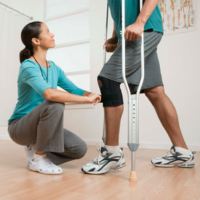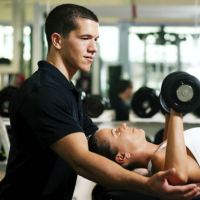

Sports science involves working with athletes to improve their performance.
Sports science involves the utilization of scientific guidelines to assist in enhancing the performance in athletes via improvement in overall aerobic and anaerobic functional capacity and sport-specific training. This division of science has expanded significantly in the past twenty years and has led to a better awareness concerning the needs of professional sport and high levels of human performance.
Over the years, fundamental data acquired from the scientific study of athletes has been published in textbooks, journals and standardized as part of education and certification requirements. Subsequently, this information has been implemented by sport trainers and coaches alike to develop their athletes. However, many coaches and athletes have unique concerns or specific issues that cannot be addressed without help of a specialist.
Enter the sports scientist.
The skilled sport scientist is, essentially, a valuable source that the coach and player can work with to help take care of matters that may emerge in their given sport. This might take the shape of a general conversation or a detailed physiological investigation of the athlete in a human performance research laboratory environment.
Commonly there are 3 primary subdivisions of sports science where specialization or a separate degree is offered: Exercise Physiology, Sports Psychology and Biomechanics (or Kinesiology)
Exercise Physiology
Exercise Physiology is the field of sports science involved with the study of the processes that make the body respond and adapt to exercise and training.
Exercise Physiology can assist athletes to:
- Recognize their strong points and weak points by means of fitness assessment and testing
- Assess if a cycle of training has been effective towards improving physical performance
- Design and implement training methods for the best possible physiological improvements
Sports Psychology
Sports Psychology is the field of exercise and sports science that involves the athlete’s subconscious and conscious thought processes. It investigates how incentives, mindsets, notions and emotional states can affect an athlete’s actions and subsequent performance during sporting events.
Sports Psychology can enable athletes to:
- Perform more effectively and sustain high levels of performance
- Increase the caliber of their skill when engaging in sport
- Establish ideal mental abilities to handle the requirements of sport
Biomechanics
Biomechanics is the field of exercise and sports science related to the breakdown of the mechanics of human motion. It reveals ways in which and why body movement occurs in the manner it does. Concerning athletes, this additionally denotes analyzing the integration between the athlete, their sports gear and the sport setting.
Biomechanics can enable athletes to:
- Determine the optimal methods of movement for improving athletic performance
- Find out the correct means of executing a sports move to prevent injury
- Better choose sports equipment including gloves, shoes and other equipment
Sports Science is offered by a growing number of colleges and universities as a bachelor’s degree program and may go under other titles such as Exercise and Sports Science, Sports and Exercise Science, or just Exercise Science. However, some schools do offer exclusively a bachelor’s or master’s degrees in the specific area of sports science you’re interested - exercise physiology, biomechanics/kinesiology or sports psychology.
Now that you have a better idea of what a sports scientist does and what areas of study you can get into when getting a degree - which area interests you the most?