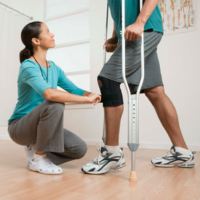

What is Health Education?
The applied field of study called Health Education enhances the quality of life by teaching people how to maintain and improve their health by combining various elements of biology, psychology, sociology and other forms of medical sciences. Assisting people in shaping their health decisions can take place by promoting changes in people’s attitudes, enhancing their knowledge and improving their personal skills regarding their health activities.
What does a Health Educator do?
Various academic and community organizations and institutions employ Health Educators. A teacher in a school environment can be involved with all ages of children, up to and including high school ages. Some may even find themselves working in adult level instruction with parents, other teachers and community leaders. A community health educator may find themselves working in more public institutions, such as the Red Cross, local hospitals and other medical care facilities. This type of teacher may be very specialized in a particular field of expertise, such as nutrition, substance abuse, or injury prevention, or may develop a wider range of responsibilities involving all ages of children and adults.
Preparing for a career in Health Education
An undergraduate degree is the prerequisite for a position in this field of expertise. The Health Educator’s program of study may include courses in a diverse selection of content information, such as the effects of aging, disease prevention, mental health diagnostics, nutritional dietary requirements, personal health, stress reduction and management, sexuality, and substance abuse, while other course work may focus more on professional preparatory classes. These latter courses are designed to aid the student in the development of skills and abilities that are advantageous to successfully completing professional responsibilities that are commonly associated with the job of a health educator. These courses may vary depending on the chosen school.
A student who is striving to acquire an undergraduate degree in the field of Health Education will be required to take courses in a variety of areas, including foundations of education, planning of instruction, curriculum design and evaluation, classroom management, clinical fieldwork experiences, and lastly student teaching. Upon graduation, a teaching certification will be required before entering the profession, and each State has their individual and different standards and criterion. So, if it best to first research the school of your choice before enrollment to be certain that the academics fully prepare you for the completion of this certification after graduation.
This type of degree and area of study is especially important for those who are pursuing a career in the community health education system. Many of these positions require, or will eventually require, a nationally recognized professional certification as well as the one previously mentioned for the State teaching requirements. This exam is taken post graduation as well, with areas of focus to include health education foundations, grant writing, program development, biometry, marketing for health education, health promotion for the worksite, as well as a professional internship experience.
Get related work experience before deciding on a Health Education Bachelor’s degree
Experience with relating, communicating and interacting with large groups of people can be invaluable for a student interested in becoming a Health Educator, and this can be easily acquired by first focusing on one particular age group of interest. Experience can be gained through a myriad of opportunities in after school tutoring, baby sitting services, youth sporting programs, summer camps, or volunteering at nursing homes and hospitals.
Job opportunities for those with a Health Education degree
A candidate with an undergraduate degree including course work geared towards a career in the health education services may find themselves in a teaching position within the school system, at any grade level from elementary to high school age. It is an important factor of consideration upon entering into this field that many school districts are looking for teachers who can not only provide Health Education instruction, but also instruction in the field of physical education. Today, many students are taking a double major in both areas of expertise to make themselves more marketable upon graduation.
Upon graduation and certification by the State, most Health Educators at the school level are required to maintain and enhance their professional development through additional education in order to retain their certification. Each State has different requirements and guidelines, so it is important to know the regulations within your area. While some Health Educators stay within the school systems, teaching for their entire careers, others transition into other related areas, such as counseling and administration, or begin pursuing more advanced degrees in related fields, and then eventually teaching in higher educational environments.
There are many venues of employment for a student with a recently acquired bachelor’s degree in health education. Positions can be found in many agencies and organizations such as public health departments and clinics, non-profit organizations, and hospitals. Most require their employees to successfully attain and sustain the Certified Health Education Specialist credential. More information about this type of documentation and certification can be found at the National Commission for Health Education Credentialing.